How Will Miter Saw Automatic Stops Shape Woodworking in 2025?

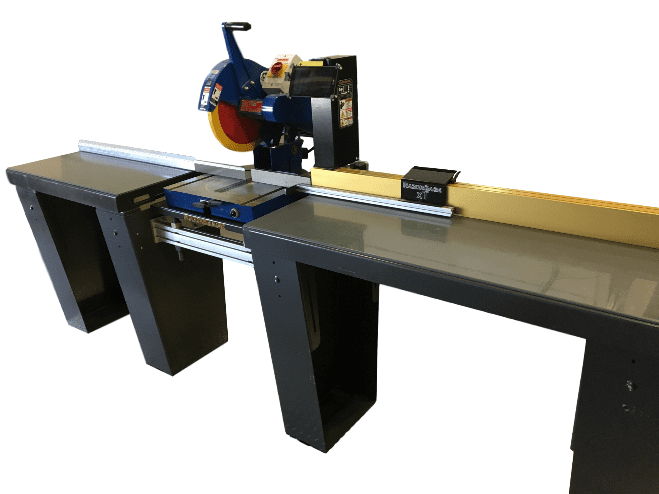
Woodworking has always been a field where precision meets creativity, and in recent years, technology has significantly influenced how projects are executed. One of the most talked-about innovations is the Miter saw automatic stop, a feature that has begun transforming the way woodworkers approach cutting tasks. As we look forward to 2025, this technology is expected to redefine efficiency, accuracy, and consistency in workshops both small and large.
Advancing Precision in Every Cut
The importance of precision cannot be overstated in woodworking. Traditionally, achieving exact measurements required careful planning and repeated manual adjustments. The rise of miter saw automatic stops addresses this challenge directly by ensuring cuts are made to exact dimensions consistently. In 2025, these tools are expected to become even more refined, offering near-perfect precision with minimal need for adjustments, ultimately reducing human error and wasted material.
Improving Efficiency for Professional and Hobbyist Woodworkers
Time management is critical in both professional woodworking shops and home workshops. With the integration of automatic stops, woodworkers no longer need to measure, mark, and adjust for each cut. The process becomes seamless, saving minutes on every project that accumulate into significant time savings over larger builds. In 2025, as more workshops adopt this technology, efficiency will become a defining factor in how quickly projects can be completed without compromising quality.
Enhancing Safety Standards in Workshops
Safety remains a core concern in woodworking, as saws are inherently dangerous if not handled carefully. Automatic stops contribute to safety by limiting unnecessary handling of materials and reducing the number of times a woodworker must be close to the blade while making adjustments. By 2025, the expectation is that safety regulations and best practices will increasingly highlight the role of automated features like stops, further protecting woodworkers from avoidable accidents.
Supporting Sustainability through Reduced Waste
Sustainability is becoming a central focus across industries, including woodworking. Inaccurate cuts often result in wasted material, which not only increases costs but also contributes to unnecessary environmental impact. Miter saw automatic stops are expected to significantly reduce offcuts and mistakes. Looking ahead to 2025, their role in promoting sustainable woodworking practices will be more prominent, helping workshops align with environmental goals and more efficient material use.
The Rise of Smart Workshops and Connected Tools
Automation is part of a broader shift toward smarter workshops. Automatic stops are one element of this movement, but by 2025 they will likely be integrated with other smart tools and digital systems. This interconnectedness will allow woodworkers to plan projects digitally and execute them with machines that follow exact specifications, blurring the line between traditional craftsmanship and advanced manufacturing.
Bridging the Gap Between Beginners and Experts
For beginners, woodworking often feels intimidating because of the precision and skill required to achieve professional results. Automatic stops act as a bridge by simplifying some of the most technically demanding aspects of cutting. By 2025, these features will make woodworking more accessible to new learners, offering them confidence as they focus on creativity and design without being overwhelmed by constant measuring and re-measuring.
Expanding Capabilities for Complex Projects
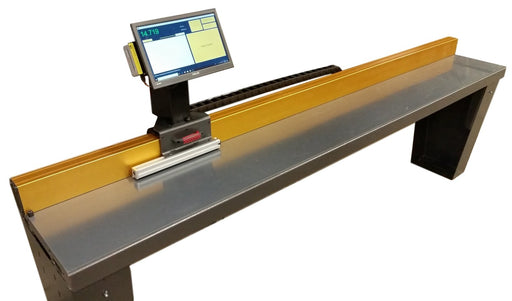
Complex woodworking projects often require multiple identical pieces or intricate angled cuts. Automatic stops streamline these processes by repeating cuts accurately without constant recalibration. This capability will become increasingly important in 2025 as woodworkers take on more ambitious projects that blend design with functionality. The ability to quickly replicate exact dimensions will encourage innovation and experimentation in woodworking designs.
Influence on Commercial and Industrial Applications
While hobbyists benefit from improved precision and safety, the larger influence of automatic stops will be felt in commercial and industrial woodworking. Factories and production lines depend on consistent output, and by 2025, automated stops will likely become a standard feature in these settings. Their impact will be measured not only in saved time but also in reduced errors across thousands of units, further proving their value in large-scale woodworking operations.
Preparing for the Integration of Software and Automation
The future of woodworking will involve greater integration between machinery and digital planning. Automatic stops are a critical step in this direction, setting the stage for tools that can seamlessly connect with digital project plans. As 2025 approaches, the collaboration between physical tools and digital platforms will allow for a more streamlined process from design to execution. This will eventually connect with advanced tools like Cut list optimization software, enabling woodworkers to maximize both efficiency and creativity in their craft.


